'/%3e%3c!--%20Sphere%20body%20--%3e%3ccircle%20cx='75'%20cy='75'%20r='60'%20fill='url(%23sphereGrad)'/%3e%3c!--%20Border%20--%3e%3ccircle%20cx='75'%20cy='75'%20r='60'%20fill='none'%20stroke='%23ffffff'%20stroke-opacity='0.3'%20stroke-width='1'/%3e%3cg%20clip-path='url(%23sphereClip)'%3e%3c!--%20Top-left%20specular%20highlight%20--%3e%3cellipse%20cx='60'%20cy='52'%20rx='32'%20ry='22'%20fill='url(%23highlightGrad)'%20filter='url(%23blur1)'/%3e%3c!--%20Bottom-right%20reflection%20--%3e%3cellipse%20cx='100'%20cy='105'%20rx='14'%20ry='9'%20fill='url(%23reflectionGrad)'%20filter='url(%23blur2)'/%3e%3c/g%3e%3c/svg%3e)
Latest videoAug 04, 2026
Getting paid shouldn't be a mystery
A conversation with Sphere's co-founder on why insurance communication is still the hardest, least visible part of running a practice.
Real healthcare and health-tech news, curated by Sphere — prior authorization, claim denials, interoperability and clinical AI, with links to the original reporting.
A conversation with Sphere's co-founder on why insurance communication is still the hardest, least visible part of running a practice.

New AAMC data projects a shortage of up to 86,000 physicians by 2036, with primary care, rural care and surgical subspecialties facing the widest gaps.
Hundreds of hospitals received warning letters for failing to publish machine-readable files, as CMS ramps up enforcement of federal price transparency rules.
A new JAMA Network Open study finds ambient documentation tools shift work from typing to reviewing, with mixed effects on physician burnout measures.

KPMG advisors argue that clean claims keep bouncing and prior authorizations keep stalling because payers deploy AI as isolated tools instead of integrating data, decisions and workflows.
Healthcare Dive analysis of insurer data shows that when patients and providers appeal denials, the majority succeed — yet the appeal process remains too opaque to navigate.
A year after dozens of insurers signed a six-part pledge to reduce barriers to doctor-recommended care, some say they won't implement all of it — and clinicians report little has changed.
A multisite study of 8,581 clinicians offers the largest controlled evidence yet that ambient scribes reduce EHR time — modest overall, but meaningful for the heaviest documenters.
KFF maps the emerging patchwork of federal and state consumer protections governing how insurers may use AI to approve or deny care.
The insurers say they have standardized data and submission requirements for more than half of their prior authorizations as part of an industry push to cut delays and paperwork.
The 2026 Interoperability Standards and Prior Authorization for Drugs proposed rule extends FHIR-based turnaround requirements to Medicare Advantage, Medicaid, CHIP and Marketplace plans.
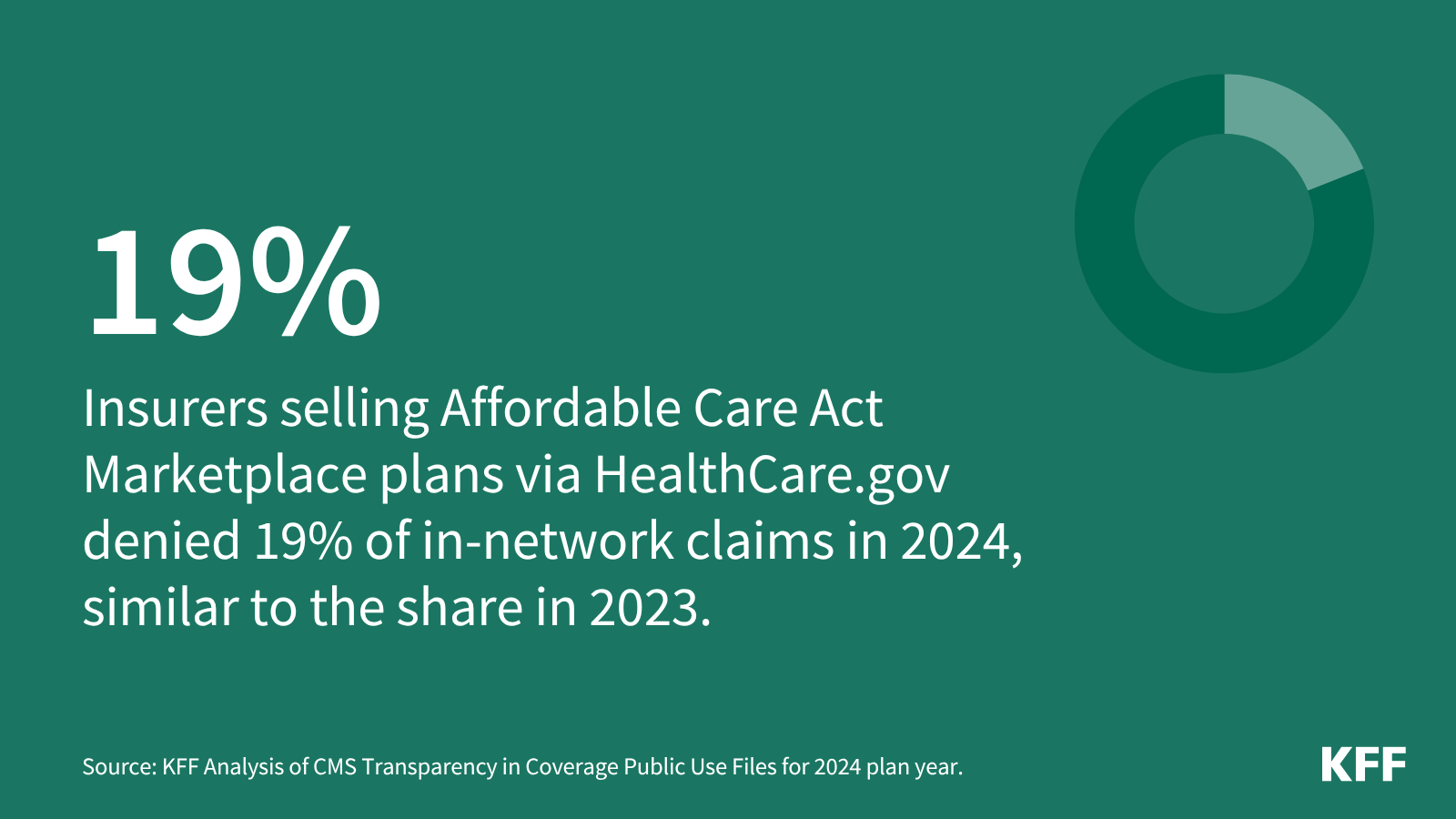
KFF's analysis of ACA Marketplace transparency data shows how often claims are denied — and how rarely those denials are appealed.
HHS reports the national interoperability network has crossed a half-billion record exchanges, as ASTP/ONC leans on data standards and AI to cut administrative burden.
A nationwide Emory study finds ambient documentation tools are now mainstream in US hospitals — but adoption is uneven across rural and safety-net settings.
We send one practical piece a month. No noise.